

Why this matters (and what usually goes wrong)
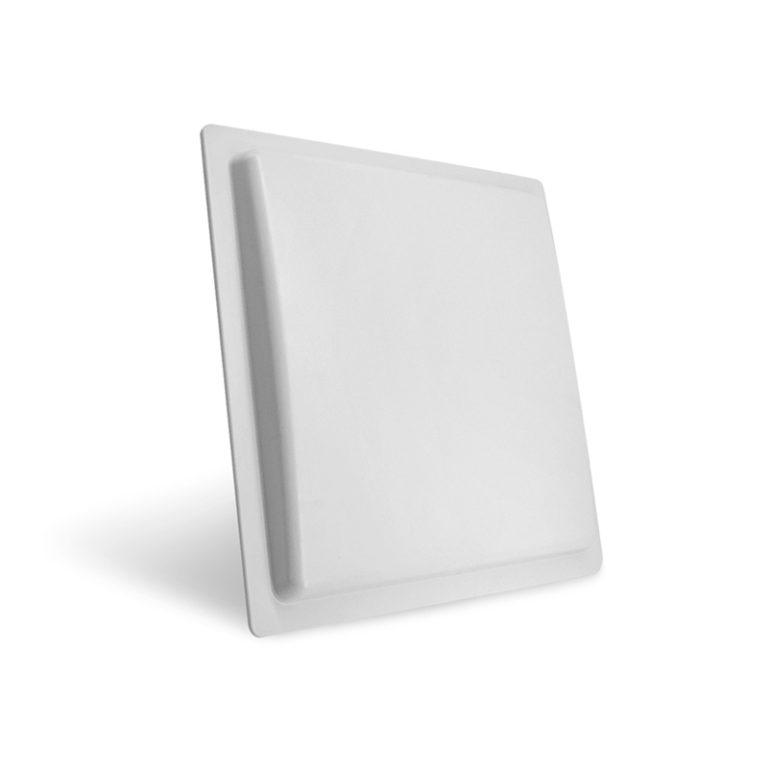
You bought an “enterprise-grade” active RFID tag and it reads fine in the lab, then fails to read reliably on the loading dock—welcome to the club. This guide attacks the problems that trip up real projects: misunderstood range claims, antenna mismatches, noisy environments, and procurement decisions that ignore physical realities. If you’re comparing spec sheets or hunting for the right reader antenna, don’t skip checking the practical pieces such as RFID Antennas early; they’re not an accessory, they’re your system’s fate.

Problem: Range claims vs. real-world physics
Manufacturers quote idealized ranges that assume free space, perfect alignment, and a lack of metal or liquids. Reality adds reflection, absorption, and multipath. Engineers must convert advertised peak sensitivity and ERP into conservative link budgets: factor in polarization mismatch, connector and cable loss, and the tag’s duty cycle. If numbers don’t balance on paper with a 3–6 dB safety margin, the deployment will be intermittent. That’s not a bug; it’s physics.
Problem: Environment and mounting complications
Tags attached to metal, electronics, or sealed containers change behavior dramatically. Mounting location shifts performance more than changing your antenna gain by a dB or two. Test mounts early and document which surfaces are tolerable. For inventory on pallets, run tests across stacked heights and orientations; for outdoor assets, watch for water pooling or condensation that detunes tags. Small installation details (right angle bracket, ground plane size, adhesive type) often fix large headaches.
Problem: Integration, power, and lifecycle trade-offs
Active tags bring power and processing options but also battery management and firmware constraints. Decide whether you need continuous broadcasting or interval sampling—later gives battery life but complicates latency-sensitive tracking. Plan for firmware updates, unique IDs, and encryption if you’ll integrate with asset management. Ignore lifecycle costs and you’ll pay later in battery replacements and unsupported firmware.
Common mistakes buyers make
Buyers often prioritize headline specs: “max range,” “longest battery.” Those are useful only after you confirm tag performance in your environment, with your readers and antennas, under the expected mounting and movement patterns. Skipping on testing samples, failing to specify mounting hardware, and not defining failure conditions are typical traps. Also don’t assume one antenna design fits all zones; beams that work for portals won’t for broad yard coverage.
Alternatives and trade-offs
Passive vs. semi-active vs. fully active tags isn’t just cost; it’s a trade among range, cost per unit, maintenance, and regulatory limits. Passive is cheap and low-maintenance but short-range; semi-active boosts sensitivity with wake-on approach; active gives predictable range but requires power cycles and asset servicing. On the antenna side, directional panels reduce interference but need aiming; omnidirectional antennas simplify installs but pick up more noise. Pick the simplest solution that satisfies operational requirements, not the fanciest one on paper.
How suppliers and real-world events shape selection
When you evaluate manufacturers and vendors, look for supply-chain clarity, antenna matching support, and documented field case studies. The trade floor at RFID Journal LIVE! is where many integrators confirm that claimed performance survives crowded booths and live demos—those events often separate vendors who have repeatable deployments from those who rely on lucky demos. For sourcing questions and consistent antenna hardware, consider vetted rfid antennas suppliers with detailed antenna patterns and mounting options; that documentation cuts guesswork and speeds installations.
Testing protocol you can run in a day
Run three quick checks before committing: a static read grid across the planned coverage area, a dynamic read test with representative movement speeds, and a mounting sensitivity test across the common surfaces you’ll use. Log RSSI, packet loss, and timestamps. If your dynamic test shows more than 10% missed reads under normal speeds, change antenna, adjust polarization, or move the read point. Repeat after any hardware swap.
Final synthesis
Solve problems by testing early, matching antennas and tags to the actual environment, and demanding clear supplier data on antenna patterns and mount guidance. Practical choices beat glitzy specs. If you need consistent documentation and repeatable hardware that grows from prototype to yard-scale use, the practical solutions and supplier reliability found through RSTC tend to keep projects on schedule and off the troubleshooting bench.