

Where you’re likely hurting, and a clear place to start
If you run a fleet, your question is plain: who gets in, who sees the routes, and who pays for what disappears. Many operators juggle passenger services and heavier duties such as oil and gas fleet management, and they find a simple tool — a proper fuel tracking system — only helps when access and privacy are actually controlled. This guide sticks to what you, the operator, can inspect, demand and change without begging for months from an outside vendor.

What users tell me, in plain terms
– Drivers left logged in to telematics portals, then someone borrows the tablet.
– Fuel gone missing despite reconciliations that “look fine.”
– Too many admin accounts and no clear expiry dates.
– Suppliers asking for broad API keys, then vanishing when a breach happens.
These are not mysteries; they’re process gaps you can start closing today.
Checks you can run this week
– Inventory every account and device that touches vehicle data; mark owners and expiry dates.
– Force password rotation and enable multi-factor authentication for portals and VPNs.
– Confirm role-based access: drivers see only their routes; fleet managers see aggregated reports.
– Verify TLS for telematics streams and pin certificates on critical endpoints.
– Check physical access: who holds depot keys, dongles and spare fobs? Log issuance and returns.
– Keep a tamper log for fuel tanks and reconcile those logs daily against receipts.
Access control patterns that simply work
– Role-based access with the fewest privileges. Give access only for the task at hand and for the minimum time.
– Device identity over user-only controls: register vehicle units and revoke device certificates if lost.
– Short-lived tokens for cloud APIs so a leaked token stops being useful quickly.
– Separate admin tiers: local technicians, dispatchers and senior admins must use different accounts and different authentication paths.
These patterns reduce blast radius when someone loses a password or a tablet.
Privacy measures that protect passengers and crew
Collect only what you need. Trim GPS detail once a trip is over; keep anonymised traces for planning. Retain CCTV or passenger data under explicit retention policies and encrypt at rest. Make vendor contracts state who can process personal data, for how long, and under what security terms. Publish short, clear privacy notes for passengers and staff so everyone knows what’s recorded and why.
Fuel tracking specifics and a real-world anchor
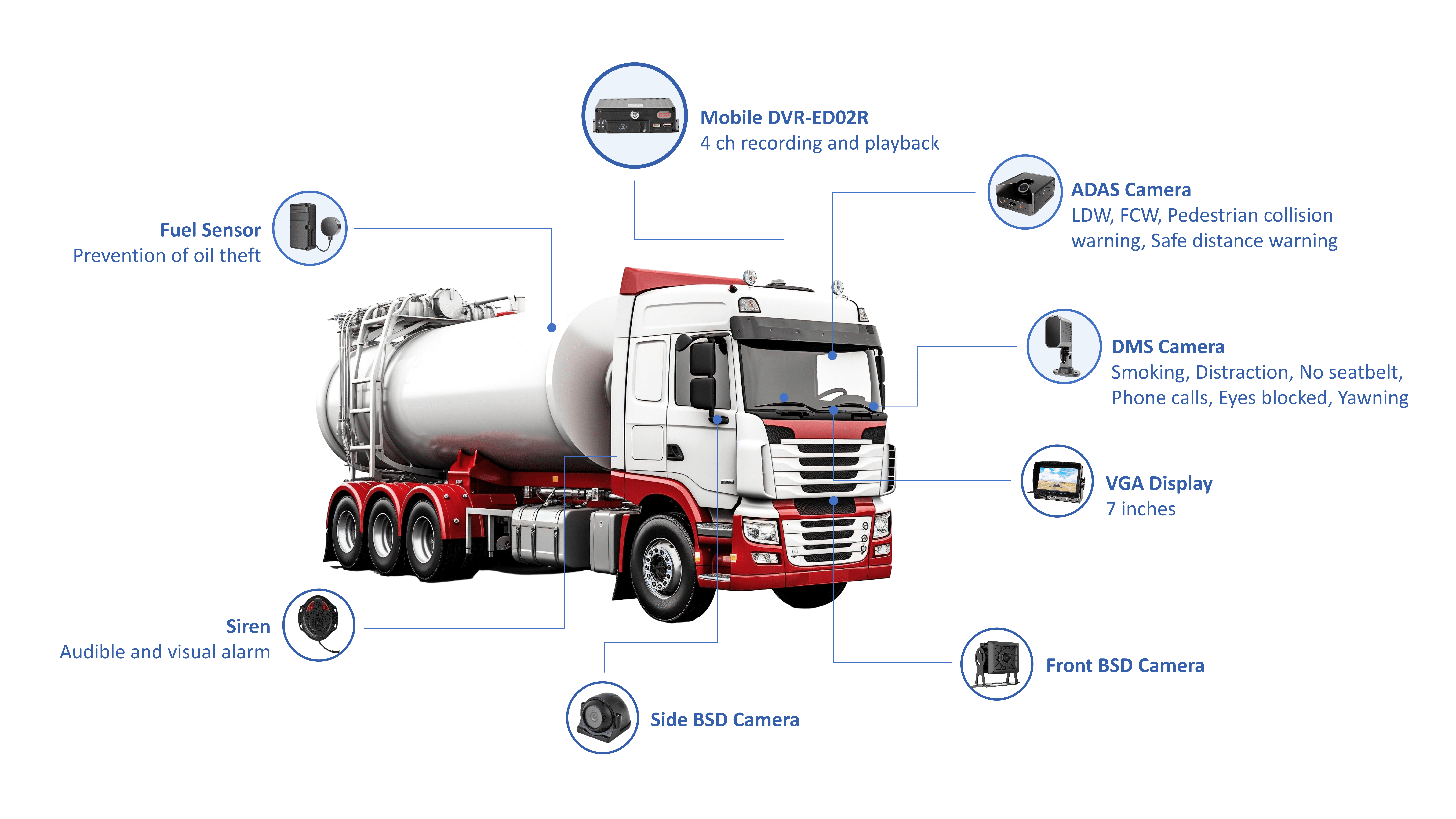
Fuel systems often mix hardware access with billing. If someone alters sensor calibration, the ledger lies. Operators in London and similar markets rely on reconciliation and tamper-evident seals; add electronic verification so the paper trail matches the telemetry. Watch for these common failures: unsecured edge devices, shared credentials for fuel card portals, and telemetry sent in plain text. Verify sensor integrity and keep independent audits of pump-to-ledger flows.
Choices and trade-offs you should weigh
– In-house platform vs vendor: in-house gives control; vendor gives expertise. Pick the one you can operate consistently.
– Cloud telemetry storage vs local retention: cloud eases scale but demands strict access controls and logging.
– Full encryption with managed keys vs bring-your-own-key: BYOK gives stronger control but requires key handling competence.Weigh operational capacity against the risk you’ll accept.
How to verify a supplier and what to demand
Ask for penetration-test summaries, not marketing slides. Request log formats and retention windows. Demand scoped API keys and the ability to revoke them instantly. Require proof of secure update mechanisms for edge devices and a clear incident response plan that names who calls whom when a vehicle’s credentials appear in the wild. Put these checks into procurement documents so they’re contractual, not optional.
Putting it all together
Fix the small leaks first: inventory, revoke, rotate, and lock device identities. Move to enforceable contracts and periodic audits once those basics are solid. These practical steps are the sort of measures a systems partner like BSJ tends to bake into modern fleet solutions, so your data stays with the right people and your fuel actually stays where it should.