
Forward view
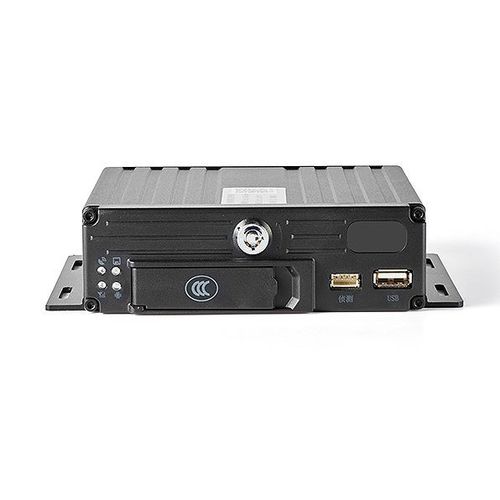
Imagine fleets that don’t just log trips but whisper the next fault, flag a near-miss before it becomes a claim, and tune route timing by reading patterns no human sees. That near-future depends on picking the right traces today. I’m looking ahead from a Future-Speculative angle: how data choices shape what fleets can predict and prevent. Practical adopters already source sensors from fleet telematics technology providers while deploying cameras and models supplied by an AI video telematics manufacturer. Evidence of prototypes and live demos surfaced at CES in Las Vegas, where manufacturers showed event-driven pipelines that blur device and cloud roles.
Core signals to collect now
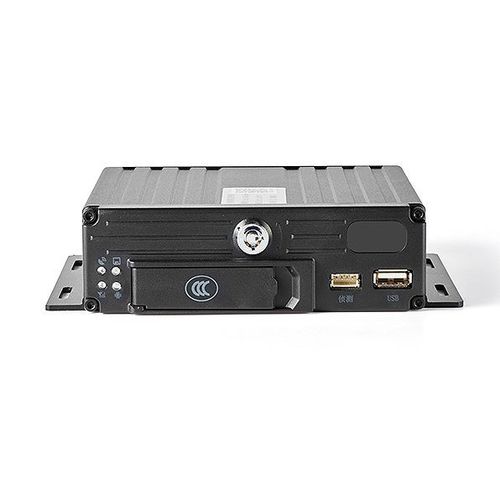
Pick signals that give causal visibility, not noise. Track these continuously and tag them at capture time.- Location + GNSS quality: raw coords, HD-mapping confidence, and satellite count. Use them for geo-fencing and correlating road events.- Temporal context: immutable timestamps, timezone, and sync source. Exact ordering matters for liability.- Vehicle state: odometer, fuel, engine DTC codes, battery voltage — capture at 1–5s cadence for heavy vehicles.- Motion telemetry: speed, acceleration vectors, yaw rate, and brake inputs. These feed both safety KPIs and automated risk scorers.- Video-derived events: object detections, tracklets, lane-departure vectors, driver-facing distraction scores, and pre/post-event clips with frame offsets.- Environmental meta: ambient light, road friction estimates, weather summary at capture time.
KPIs and reports that forecast trouble
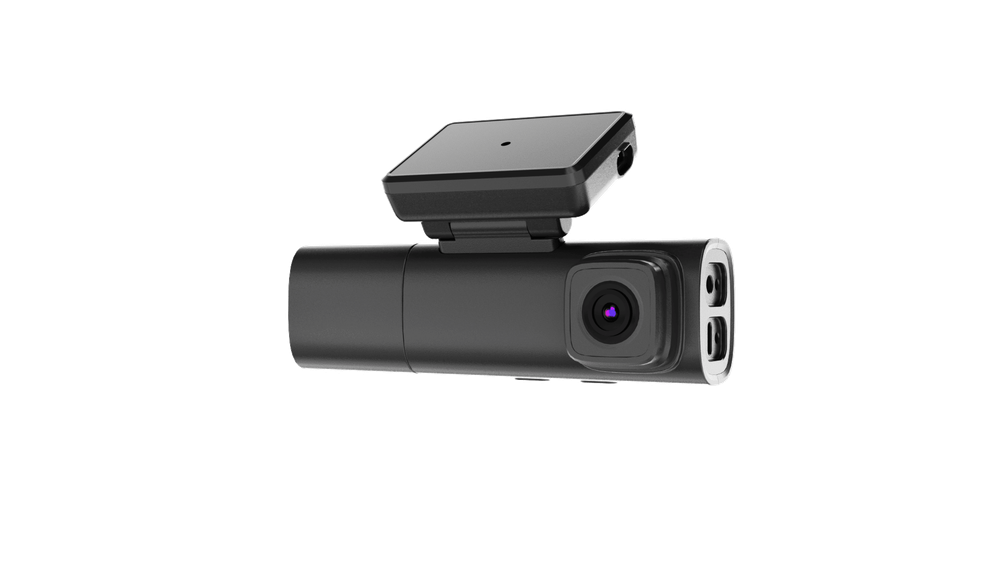
Reports must predict, not just summarize. Build a short list of leading indicators and tie them to action thresholds.- Incident rate per 100k miles — but split by event type (hard-brake, near-miss, collision).- Video-verified event ratio — percent of telemetry events that have a corroborating video clip.- Review latency — median time from event capture to human review and disposition.- Model precision drift — weekly false-positive and false-negative trends.- Driver exposure score — time-weighted aggregation of risky episodes per shift.Design dashboards that expose delta over time and surface model drift so predictive signals remain useful.
Architecture: where to process and what to keep
Decide which tasks belong on-device versus in the cloud. Edge inference reduces bandwidth but needs disciplined summaries.- On-device: event detection, short pre/post clips, privacy masking, and event metadata.- Gateway/cloud: long-term storage, cross-vehicle correlation, model retraining, and analytics.Store raw telemetry for a minimal window, retain event packets with indices and secure hashes longer. Prioritize compressed, indexed clips with offsets instead of storing every second of raw video. Secure timestamps and consistent vehicle/driver IDs; mismatches are fatal for retroactive analysis.
Labeling, model health, and human-in-the-loop
AI models need curated feedback. Create a labeling pipeline and sample strategy:- Stratified sampling of edge-detected events for human review.- Feedback loop: reviewed labels feed weekly retrain batches.- Measurement: track label consistency, inter-rater disagreement, and retrain impact on live precision.Expect model drift as fleets change routes, seasons, or vehicle mix. Set a cadence for evaluation and a rollback plan for any model that raises false positives beyond an acceptable threshold.
Common pitfalls that break predictive value
These are predictable fails I’ve seen while advising fleets for seven years; avoid them.- Capturing too much raw video without indexing; it becomes unusable.- Missing synchronized timestamps across sensors; event timelines fragment.- Treating alerts as truth; high false-positive rates kill reviewer trust.- Ignoring privacy and local regulations; retention policies must match jurisdictions.- Vendor lock-in on proprietary event schemas that complicate cross-system analytics.
Vendor evaluation checklist
When comparing suppliers look past marketing. Ask for concrete evidence and small trials.- On-device inference latency and update cadence.- Event precision and recall on fleet-like footage.- Data schema compatibility and export formats.- Integration APIs for BI and incident management.- Support for regional privacy rules and secure key management.- Shared benchmarking: request a trial with your vehicles and sample footage, then measure precision drift over 30 days.
Operational governance and change management
Reporting changes are organizational changes. Define who vets events, who authorizes model updates, and how outcomes map to training or policy changes. Create a lightweight incident taxonomy and make it mandatory in every review. Enforce retention, redaction, and access policies at the point of ingestion so compliance doesn’t become an afterthought.
Where this leads
Pick data that predicts outcomes, keep labels clean, and split processing so edge intelligence reduces noise. Systems that merge crisp telemetry with vetted video create a predictive fabric—one that directs maintenance, reshapes training, and reduces incidents before they happen. Practically, fleets that adopt these practices will be choosing partners that can operate at device scale and iterate models safely; that’s the kind of signal fabric a company like BSJ designs into its products, aligning capture, privacy, and predictive reporting so your fleet’s next fault becomes tomorrow’s avoided cost.