
Introduction: Why Comparisons Win Launch Day
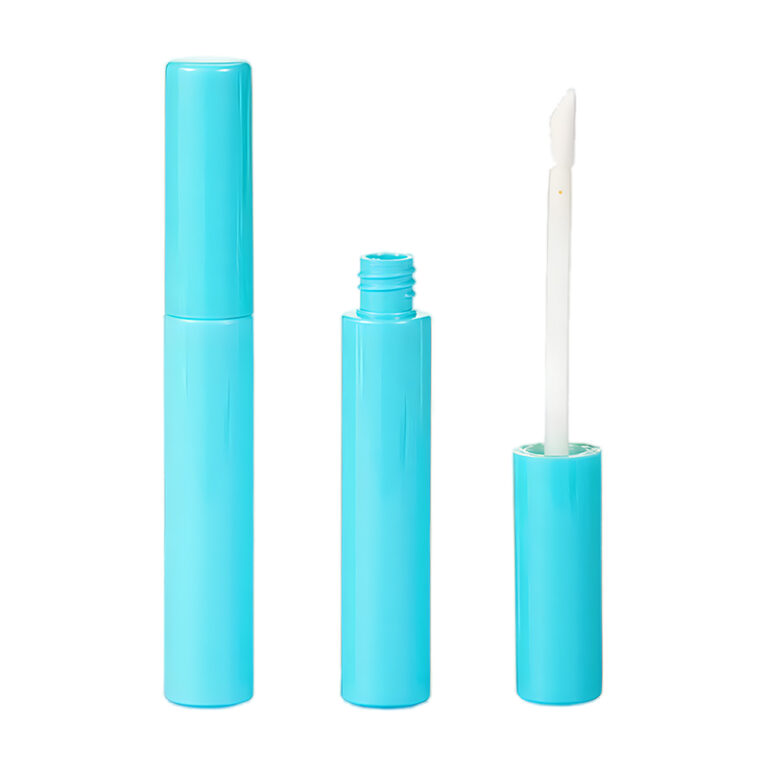
Here’s the truth: packaging makes or breaks the drop. Your clear lip gloss tube is the first touchpoint your buyer sees and trusts. Picture launch week. You have testers lined up, inventory ready, and a team on standby. Yet 48% of returns in indie beauty link back to packaging failure or misfit, not formula. So, what if the easiest win is choosing the right tube—fast and smart? Are you checking the wiper fit, the wand flex, and the clarity grade, or just picking what’s in stock (we’ve all been there)? This is about control. It’s about reliable specs and simple checks that prevent leaks long before they reach the shelf. Ready to compare what matters and cut what doesn’t? Let’s move into the real pain points and fix them at the source.
Part 2: The Hidden Gaps Buyers Miss
Where Do Buyers Actually Struggle?
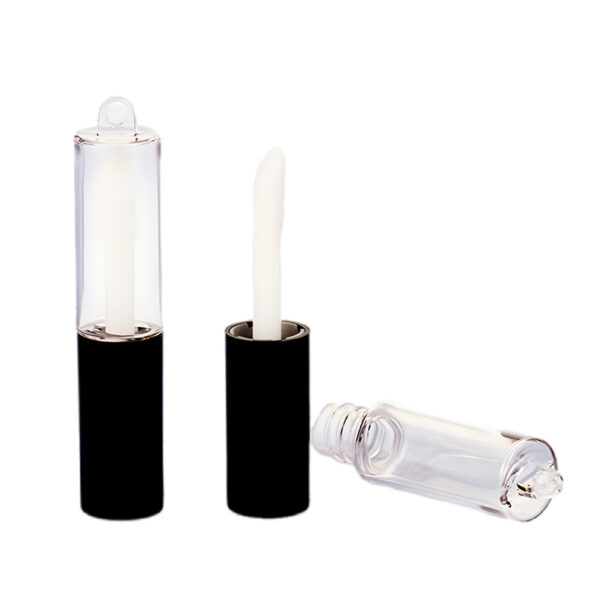
The quiet gap isn’t style. It’s spec clarity and process. Many teams don’t ask how the wiper orifice, stem flex, and bottle neck tolerance interact under heat and transit. That’s where good clear lip gloss tube manufacturers earn their keep. When vendors share real QC sampling plans, you see leak rates and breakage risk before PO. When they hide them, you gamble. Look for basics: PETG or PMMA clarity index, injection molding consistency, and whether the anodized applicator ferrule is crimped or glued. Ask for a pressure test and a drop test report. Look, it’s simpler than you think.
Traditional solutions gloss over usage variables. A soft formula plus a tight wiper can starve payoff. A stiff stem and a shallow thread can cause micro-gaps that weep in transit—funny how that works, right? You also need to check material stack: cap, rod, wiper, bottle. Does the PP rod swell in oil-heavy bases? Are UV stabilizers included for display lighting? And what about MOQ that blocks pilot runs? Push for pilot lots and an OTR (oxygen transmission rate) note if you use active ingredients. If cross-testing sounds overkill, remember: a small compatibility grid beats a big recall every time.
Part 3: Looking Ahead with Smarter Specs
What’s Next
The next wave is measurable, not just pretty. New co-extrusion bodies reduce stress whitening while keeping clarity. Improved wiper geometries use micro-tapered lips to balance seal pressure with glide. Some makers now run inline capacitance leak testing, so weak seals get flagged before boxing. When you see a listing for a cheap clear lip gloss tube, ask what enables that price—resin pelletization efficiency, shared tooling, or skipped inspection? The principle is simple: cost can drop when process control rises (not when checks disappear). A vendor who shows tool maintenance logs, torque specs, and actual pull-force data is already building your margin—without gambling your reviews.
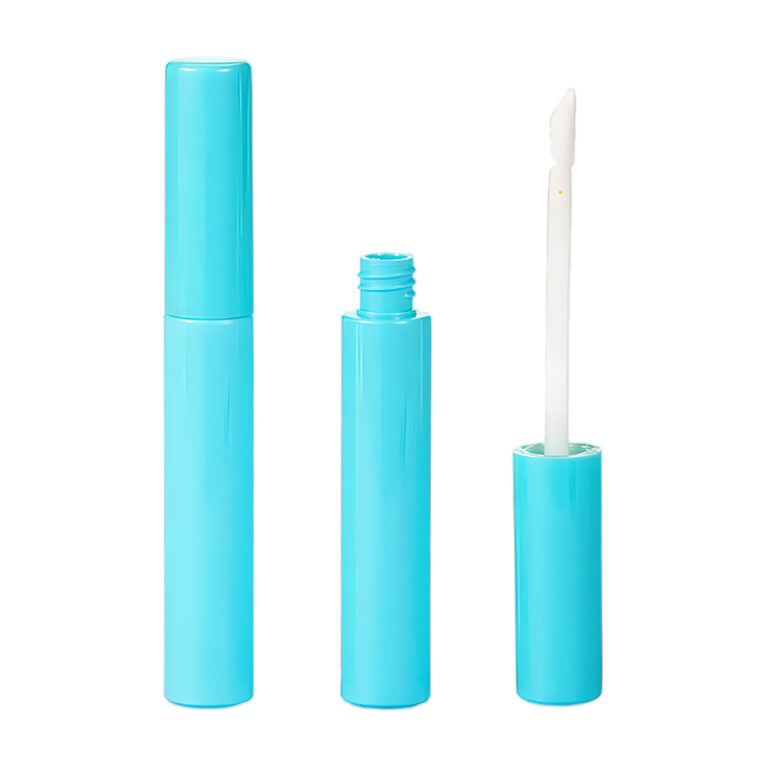
So, what did we learn? Specs beat guesswork, and process beats promises. To choose well, use three evaluation metrics: 1) Performance data: leak rate under 40–60 kPa, wand pull force, and wiper retention; 2) Material fit: PETG versus PMMA clarity, stem flexibility, and formula compatibility with the wiper orifice; 3) Process proof: QC sampling plan level, transit simulation, and documented lot traceability. Keep it tight, keep it testable—and keep it human. Your tube should deliver clean payoff, resist shelf wear, and hold up to travel. That’s how your formula gets the stage it deserves. For steady partners who speak in data, not guesses, see NAVI Packaging.