

Introduction
I was on the shop floor one rainy afternoon when a line supervisor waved me over—welding sparks, a low hum of machines, and a faint metallic taste in the air. In many plants today, automotive manufacturing welding fume extraction is still treated as an afterthought rather than a design driver, and that shows in worker reports and compliance numbers: studies put exposure incidents in some shops above recommended limits by as much as 30% (a grim statistic to swallow). So I ask: how do we protect people and keep production smooth without gutting budgets? I’ll walk you through what I’ve seen and learned. — let’s move from the immediate scene to what really matters next.
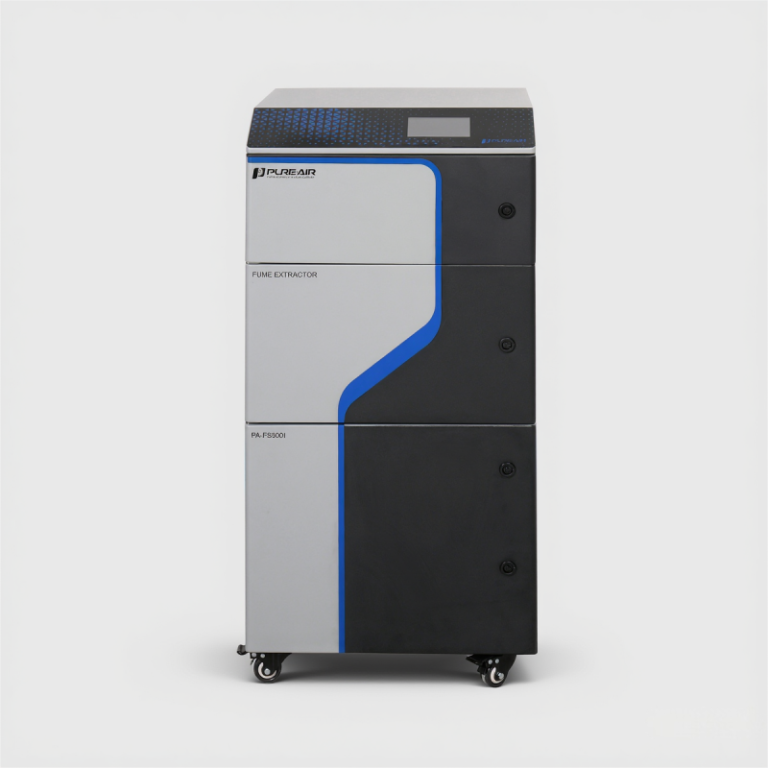
Part 2 — Where Traditional Systems Fail: Hidden Pain and Design Flaws
vehicle fume extraction often gets installed as a checkbox: a generic hood here, a single collector there. But that’s where many plants trip up. Old local exhaust ventilation layouts ignore real airflow paths; hood placement doesn’t match actual bead, and unit capacity is misjudged. I’ve sat through engineering reviews where the nominal CFM matched the spec sheet but not the welding cell’s peak load—result: recirculated contaminants and angry operators. Look, it’s simpler than you think: measure the plume, not the machine nameplate. This is about practical geometry, not prestige equipment.
Let me be blunt—filters and collectors are only as good as the system that feeds them. HEPA filtration can be excellent, but if your ducting collapses vacuum or you have poor capture velocity at the source, those filters clog fast and create backpressure. I’ve seen power converters overheat because fans were undersized for the actual duty cycle. Add in maintenance neglect (—funny how that happens, right?) and you have recurring downtime, higher utility costs, and worker complaints that never seem to land on the balance sheet. Two industry terms to keep in mind: airflow dynamics and dust collector sizing. Both are frequently underestimated.
Why do these failures persist?
Because teams often design for average conditions, not peaks; they buy for price instead of performance, and they assume “one-size-fits-all” ductwork will do. I’ve been guilty of underestimating peak welding duty early in my career, and I won’t pretend it’s rare. The result: systems that work on paper but fail in practice, exposing people and eroding trust on the floor.
Part 3 — Principles of New Extraction Technology and What to Evaluate
Now let’s look forward. Modern approaches to vehicle fume extraction combine smarter capture with better data. I’ve watched teams adopt modular hoods with adjustable capture velocity, integrate inline sensors to track particulate load, and use variable-frequency drives to match fan speed to real-time demand. The core principles I favor are simple: source capture, matched airflow, and monitored maintenance. These reduce exposure and save energy—two wins that pay back in months, not years. (I say that from projects I’ve helped steer.)
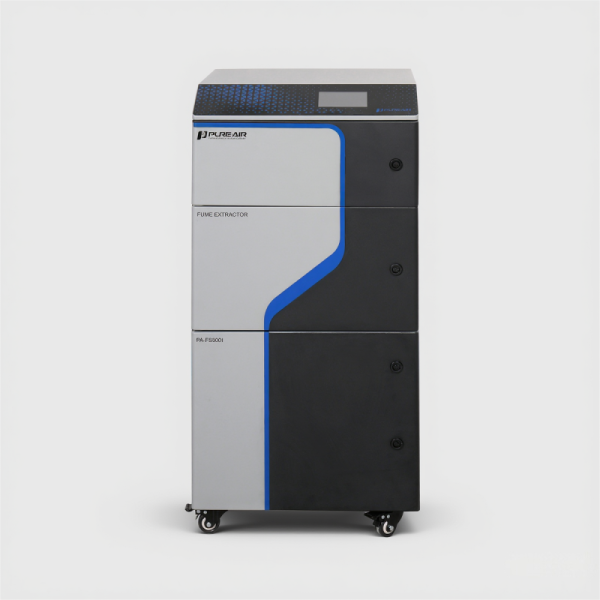
Technically speaking, the integration of edge computing nodes for local monitoring and adaptive control can change how a cell performs. When a system senses a spike in ultrafine particles at the weld point, it can momentarily raise capture velocity—no human intervention needed. That lowers average energy use while protecting workers during heavy cycles. Power converters and VFDs paired with predictive maintenance data keep fans operating efficiently. — that interplay matters. It’s not magic; it’s measured design and disciplined follow-through.
What’s Next — How to pick the right solution?
I’ll close with practical metrics I use when evaluating extraction systems. These three measures will tell you more than glossy brochures ever will: 1) Capture Efficiency at the Source (measured over peak weld conditions), 2) System Energy Use per kg of particulate removed (real operating data), and 3) Mean Time Between Service for filters and blowers (field-proven numbers). We should demand test data, site-specific trials, and honest maintenance plans. If a vendor can’t show you these, walk away.
I care about this because people breathe what we let into the air. I’ve seen relief on operators’ faces when a well-designed extraction cell finally worked as intended. For anyone considering upgrades, take measurements, insist on trials, and remember: small changes in hood geometry or control strategy can yield large gains. For practical, tested solutions, I’ve often recommended checking broader vendor offerings—companies like PURE-AIR have catalogues that match the kind of data-driven, worker-first approach I champion.